Starting a new business or growing an existing business is not only about selling products or services. A successful business needs a proper strategy where every small activity works together to bring more customers, build trust and increase revenue.
Many business owners focus only on one side of marketing. Some only depend on offline customers, while others jump into digital marketing without building a strong foundation. The real growth comes when offline and online marketing work together as a complete system.
A 360 Degree Business Growth Plan means creating a complete roadmap that covers branding, customer connection, local visibility, digital presence, marketing campaigns and long-term growth.
Whether you are opening a new business or trying to expand an existing one, this approach helps you understand where to invest time, money and effort for better results.
Understanding the 360 Degree Business Growth Approach
A 360 degree growth strategy looks at every possible way a customer can discover, trust and purchase from your business.
Think about your customer’s journey:
- First, they discover your business.
- Then, they check your brand image.
- After that, they compare your services with others.
- Finally, they decide whether to buy from you.
Every step needs proper planning.
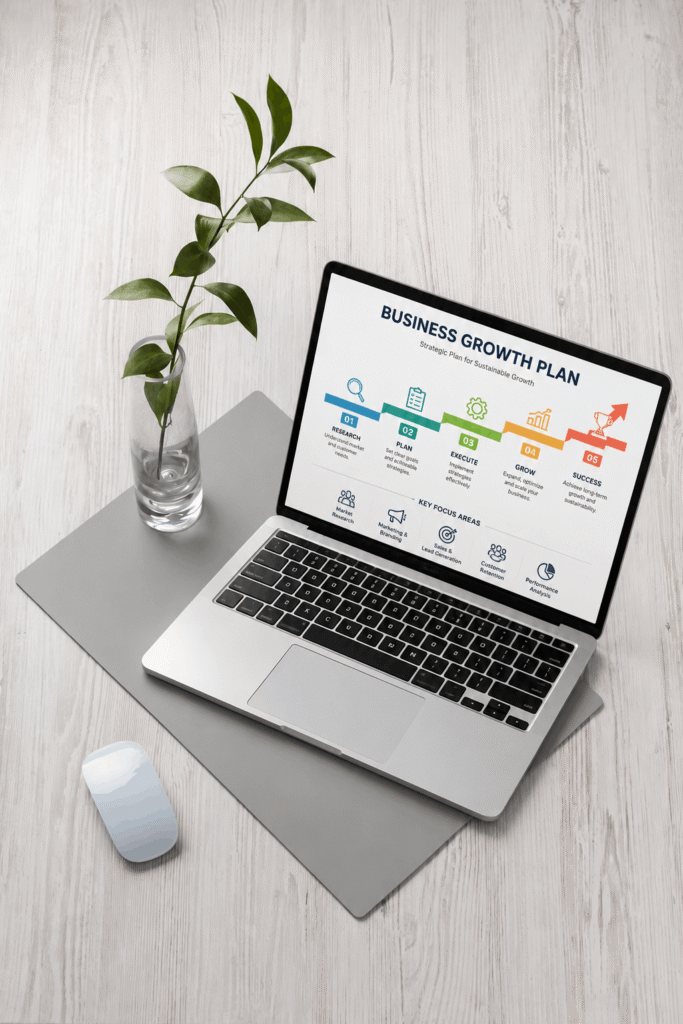
A complete business growth plan includes:
- Brand identity development
- Offline marketing activities
- Digital presence setup
- Social media marketing
- Search engine optimization
- Paid advertising campaigns
- Customer relationship management
- Continuous improvement
The goal is simple: make your business visible everywhere your customers are searching.
Step 1: Build a Strong Brand Foundation
Before starting any marketing campaign, your business needs a clear identity. A professional brand creates trust and makes customers remember you.
Many businesses make the mistake of focusing only on sales but forget that people first connect with a brand image.
Your branding should include:
Professional Logo Design
A logo is not just a small graphic. It represents your business personality. A good logo helps customers identify your brand easily.
Your logo should be:
- Simple and memorable
- Suitable for your industry
- Easy to use on different platforms
- Professional and unique
Brand Guidelines
A consistent brand look creates a professional impression. Your business should maintain the same style across:
- Business cards
- Social media posts
- Website
- Advertisements
- Packaging materials
A strong brand helps you stand apart from competitors.
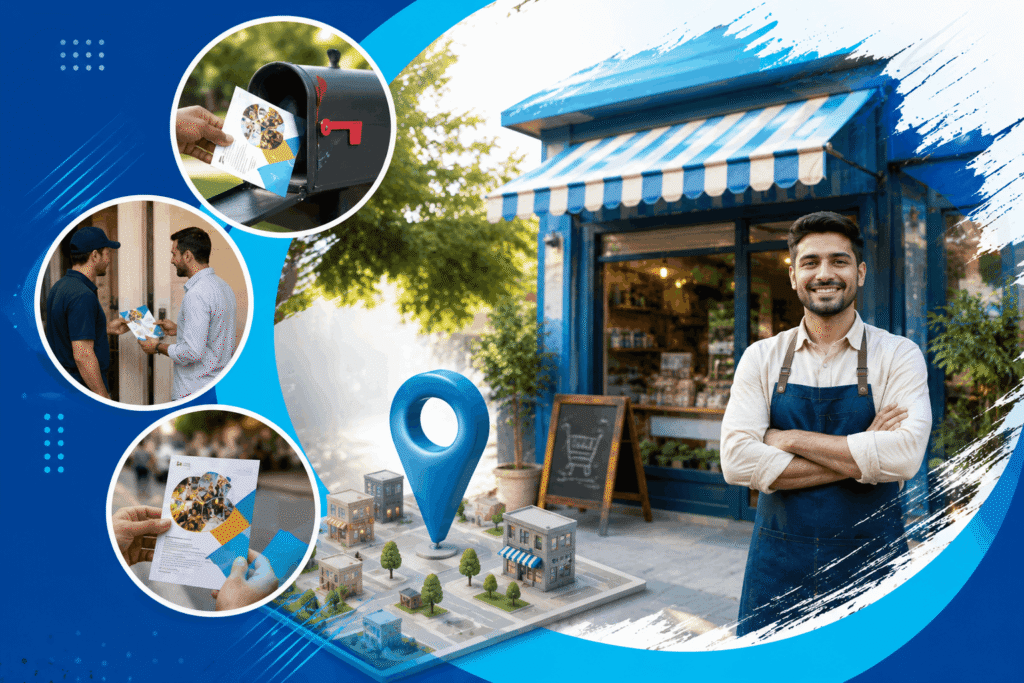
Step 2: Offline Marketing Strategies for Local Business Growth
Even in the digital age, offline marketing is still powerful, especially for local businesses. Direct customer connection creates trust faster.
The best offline marketing methods are not always expensive. Creative ideas and smart execution can create great results.
Guerrilla Marketing Campaigns
Guerrilla marketing means using creative and unexpected methods to promote your business with a limited budget.
Some effective ideas include:
- Creative street posters
- Local community events
- Free sample distribution
- Partnership with nearby businesses
- Unique promotional activities
- Customer referral programs
For example, a local restaurant can collaborate with nearby offices and offer special lunch deals. A service company can organize a free awareness workshop to attract potential customers.
The key point is to create a memorable experience.
Local Networking
Building relationships in your local market can bring consistent customers.
You can:
- Attend business networking events
- Join local business communities
- Connect with other business owners
- Create partnership opportunities
People prefer doing business with brands they know and trust.
Printed Marketing Materials
Traditional materials still have value when designed professionally.
Useful materials include:
- Business cards
- Flyers
- Brochures
- Product catalogues
- Posters
- Event banners
The design quality matters because it represents your business.
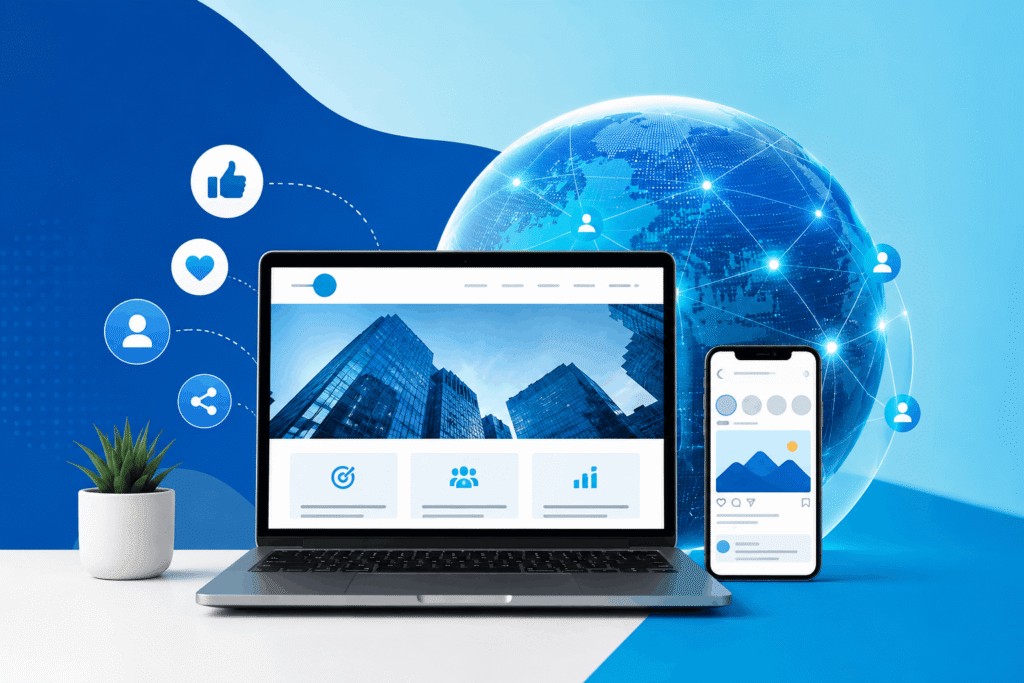
Step 3: Create a Powerful Online Presence
Today, customers search online before making purchasing decisions. If your business is not visible online, you may lose potential customers.
Your digital foundation should include:
Business Website Design and Development
A website is your online business office that works 24/7.
A professional website should have:
- Clear information about your products or services
- Mobile-friendly design
- Fast loading speed
- Simple navigation
- Strong call-to-action buttons
- Customer reviews or testimonials
Your website should not only look attractive but also convert visitors into customers.
A good website answers customer questions and guides them toward contacting your business.
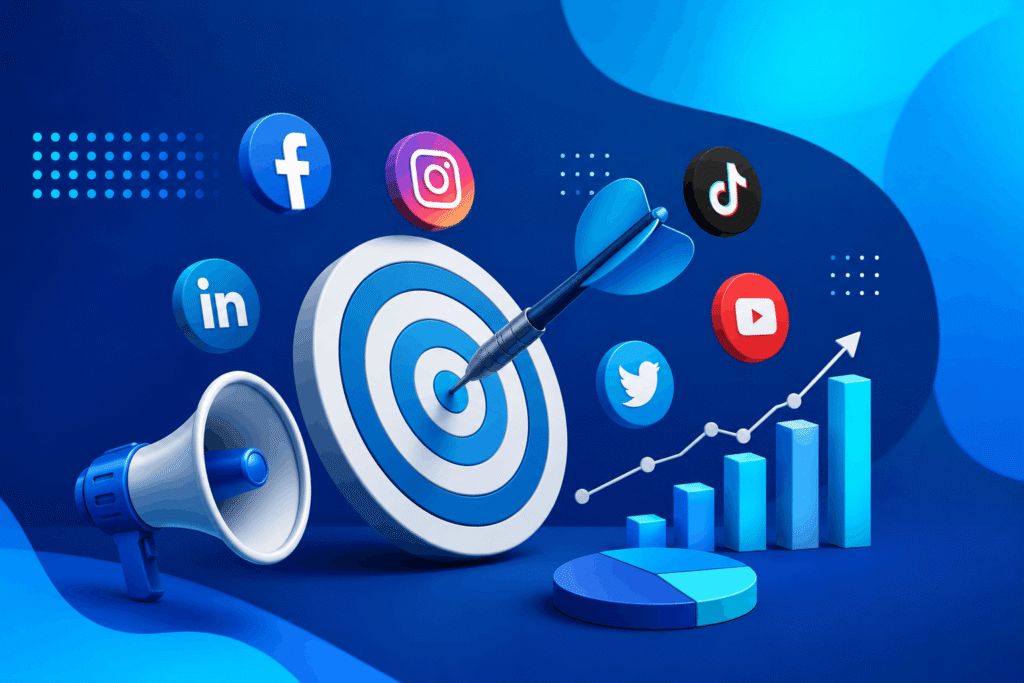
Step 4: Social Media Marketing Strategy
Social media is one of the strongest tools for business growth because customers spend a lot of time on platforms like Facebook, Instagram, LinkedIn and others.
But random posting does not create results. A proper social media plan is required.
Your social media strategy should include:
- Brand awareness posts
- Educational content
- Customer testimonials
- Product/service showcases
- Behind-the-scenes content
- Short videos and reels
- Customer engagement activities
Consistency is important. A business that regularly provides valuable content builds stronger relationships.
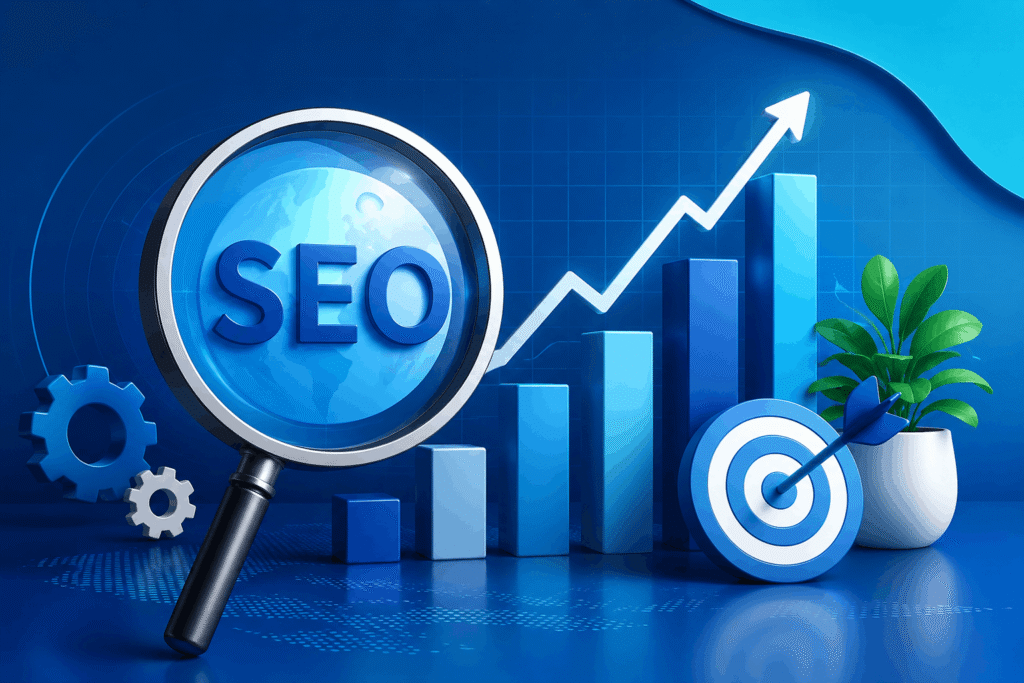
Step 5: Search Engine Optimization (SEO) for Long-Term Growth
SEO helps your business appear when customers search for related products or services online.
Unlike paid ads, SEO creates long-term visibility.
A proper SEO strategy includes:
Website SEO
Improve your website with:
- Proper keywords
- Quality content
- Fast performance
- Technical improvements
- Mobile optimization
Local SEO
For local businesses, local search visibility is very important.
Focus on:
- Google Business Profile optimization
- Customer reviews
- Local keywords
- Accurate business information
When someone searches for your service nearby, your business should have a better chance to appear.
Step 6: Paid Advertising for Faster Results
Organic marketing takes time. Paid advertising can help businesses reach customers faster.
Popular advertising channels include:
A successful ad campaign requires:
- Correct audience targeting
- Attractive creative design
- Strong advertising message
- Proper budget management
- Regular performance checking
Many businesses waste money because they run ads without understanding their audience.
A good campaign focuses on reaching the right people at the right time.

Step 7: Content Marketing to Build Trust
Content is a powerful way to educate customers and create authority.
Useful content ideas:
- Helpful blog articles
- How-to videos
- Industry tips
- Customer success stories
- Frequently asked questions
When customers find valuable information from your brand, they start trusting your expertise.
Trust usually comes before sales.
Step 8: Customer Retention and Business Improvement
Getting new customers is important, but keeping existing customers is equally valuable.
A loyal customer can bring repeat business and referrals.
Improve customer relationships through:
- Follow-up messages
- Loyalty offers
- Regular updates
- Excellent customer service
- Feedback collection
Always measure your results and improve your strategy.
Important things to track:
- Website visitors
- Leads generated
- Sales conversion
- Social media engagement
- Advertising performance
- Customer feedback
Common Mistakes Businesses Should Avoid
Many businesses struggle because of wrong marketing decisions.
Avoid these mistakes:
- Starting marketing without a clear goal
- Ignoring brand design
- Having an outdated website
- Posting randomly on social media
- Running ads without research
- Not tracking marketing results
- Trying every strategy without proper planning
A successful business needs focus, consistency and the right direction.
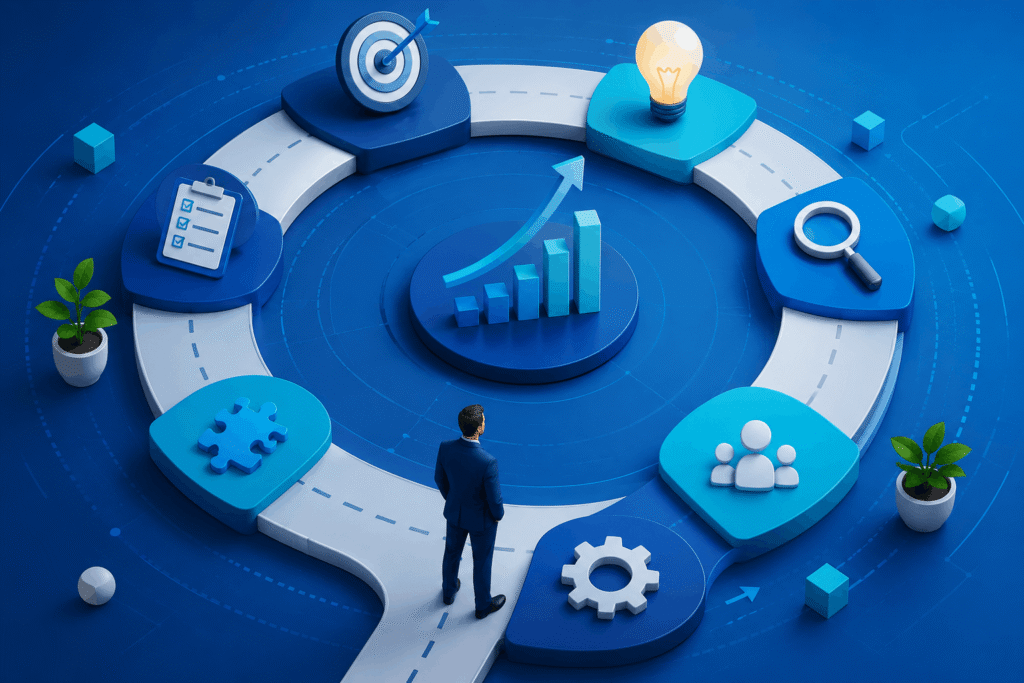
Creating Your Personalised 360 Degree Business Growth Roadmap
Every business is different, so the marketing plan should also be customised.
A small local shop may need strong local marketing and social media presence, while an online business may require SEO, content marketing and paid advertising.
Your growth roadmap should consider:
- Business goals
- Target customers
- Industry competition
- Available budget
- Marketing channels
- Expected results
The right combination of offline and online marketing creates a stronger business ecosystem.
Key Takeaways for Business Growth
Business growth does not happen overnight. It requires a proper plan where branding, offline marketing and digital marketing support each other.
A complete 360 Degree Business Growth Plan helps businesses create visibility, attract customers and build a strong market position.
From creative guerrilla marketing campaigns to professional logo design, website development, social media management, SEO and advertising campaigns, every step plays an important role in business success.
If you want to create a powerful marketing system and grow your business with the right strategy, visit www.picassomultimedia.com and connect with our team for professional business growth solutions.