
Quick answer: Businesses that rely only on social media or ads often lose customers to competitors who show up on Google, have a fast website, and share helpful content. A complete digital marketing strategy — combining social media, ads, SEO, website management, and blog posts — builds trust and brings in steady, long-term growth instead of short bursts of attention.
Two local businesses open their doors in the same month. Both sell similar products. Both have a small marketing budget.
The first business posts on Instagram every day. They run a few Facebook ads during busy seasons. Sales come in waves — strong when they’re actively posting, quiet when they’re not.
The second business does the same social media posts and ads, but they also have a fast, easy-to-use website. They show up when people search on Google. They publish helpful blog posts that answer common customer questions. A year later, this business gets steady traffic every single day, even when nobody is actively running a new campaign.
Same effort. Same budget. Very different results.
This gap shows up again and again with small and growing businesses. Posting on social media feels productive, and running ads feels like instant progress. But without the other pieces — search visibility, a working website, and useful content — that growth has a short shelf life. This post breaks down what a full digital marketing strategy actually looks like, why skipping parts of it holds your business back, and how to build an approach that keeps working for you long after the ad spend stops.
What Is a Complete Digital Marketing Strategy?
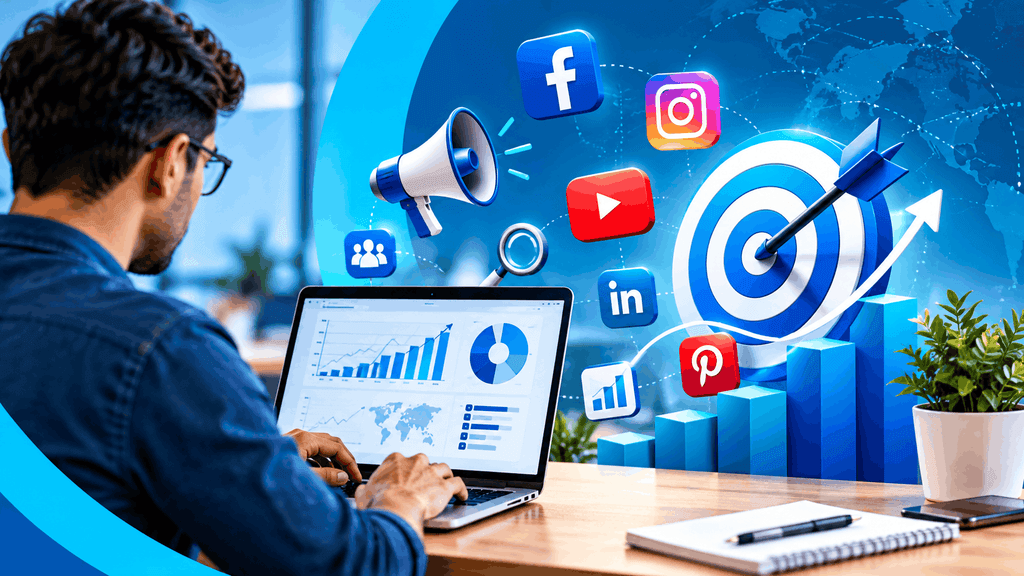
A complete digital marketing strategy is a plan that uses multiple online channels together, instead of relying on just one. Rather than posting on Instagram and hoping for the best, a full strategy connects your social media, paid ads, search engine visibility, website, and content so they all support each other.
Think of it like a house. Social media and ads are the windows — they let people see in and catch their attention. SEO and your website are the foundation — they hold everything up and make sure people can actually find and trust you. Blog posts are like the furniture that makes people want to stay a while.
When businesses only build the windows and skip the foundation, the whole structure becomes unstable. One slow month of ad spend, or one algorithm change on social media, and visibility disappears overnight.
The Key Services Every Business Needs
A strong digital presence is built from five core services. Each one plays a different role, and each one covers a gap the others can’t.
Social Media Marketing
Social media is where businesses build relationships and personality. It’s the place to show your brand’s voice, share updates, and talk directly with customers through comments and messages.
Social media is great for:
- Building brand awareness and trust
- Engaging directly with your audience
- Sharing quick updates, offers, and behind-the-scenes content
But social media has a short memory. Posts disappear from feeds within hours, and platforms control who sees your content — not you.
Paid Ads (PPC/Running Ads)
Paid ads, like Google Ads or Meta Ads, put your business in front of the right people fast. They’re useful for launching a new product, promoting a sale, or getting quick traffic to a landing page.
Ads work well because they’re:
- Fast to set up and launch
- Highly targeted to specific audiences
- Easy to measure and adjust
The catch? The moment you stop paying, the traffic stops too. Ads are rented attention, not owned attention.
SEO (Search Engine Optimization)
SEO helps your website show up when people search on Google for things related to your business. Unlike ads, SEO brings in visitors without paying for every single click.
Good SEO improves:
- Long-term visibility on search engines
- The number of people finding you organically
- Trust, since most people trust search results more than ads
SEO takes longer to show results than ads do, but it keeps working for months and years after the work is done — that’s what makes it one of the best long-term investments in digital marketing.
Website Management
Your website is often the first real impression a customer gets of your business. A slow, outdated, or broken website can undo all the hard work put into social media and ads.
Website management includes:
- Keeping the site fast, secure, and working properly
- Updating content and fixing technical issues
- Making sure the site looks good on phones and computers
A business can have the best ad campaign in the world, but if the website takes too long to load, most visitors will leave before they even see what’s being offered.
Blog Posts / Content Marketing
Blog posts answer customer questions, build trust, and support SEO at the same time. They give search engines fresh content to rank and give customers useful information before they buy.
Blog content helps by:
- Answering common customer questions
- Building long-term trust and authority
- Supporting SEO with fresh, relevant content
A business with a helpful blog becomes the business people trust — and trust is what turns a visitor into a paying customer.
What Happens When You Only Use Social Media or Ads?
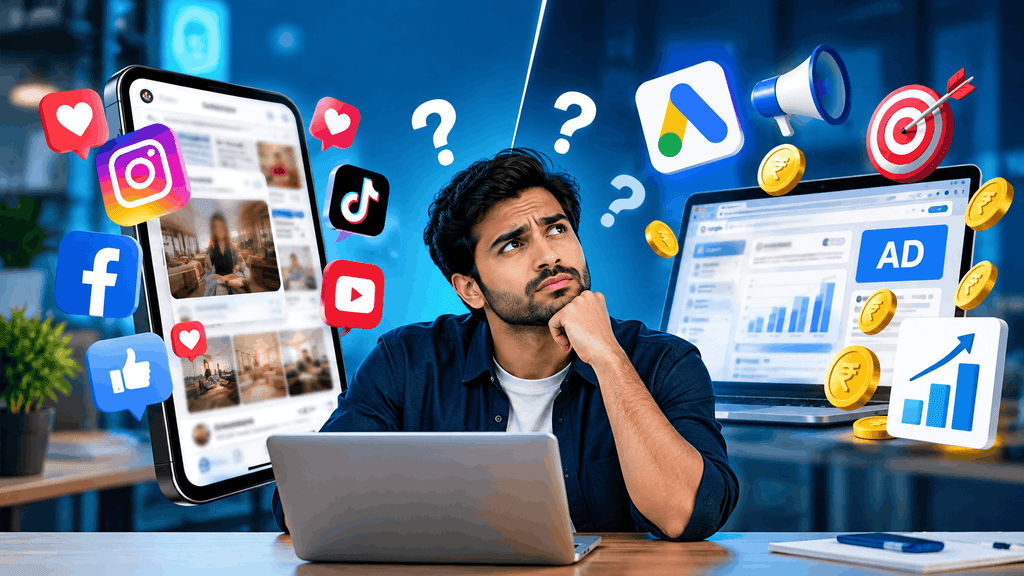
Relying on just one or two channels creates real risks for a business, even if things look fine on the surface.
Here’s what businesses typically lose:
- Visibility disappears without warning. Social media algorithms change often. A strategy that worked last year might barely reach anyone today.
- Growth stops the moment spending stops. Paid ads bring traffic only while you’re paying for them. Without SEO or a strong website, that traffic vanishes the moment the budget runs out.
- Customers don’t find you through search. Most people research a business on Google before buying. Without SEO, you’re invisible to anyone not already following you on social media.
- A weak website costs sales. Even great ads and posts lead people to a site that’s slow or hard to use. That means lost customers after all that hard work bringing them there.
- No long-term trust is built. Blog content and useful information build credibility over time. Without it, customers have fewer reasons to choose you over a competitor.
Businesses that only use social media or ads aren’t wrong to use those tools — they’re just missing the other pieces that make the whole system work. It’s like running a car with only two wheels. It might move for a while, but it won’t go far, and it definitely won’t last.

Why a Monthly Strategy Makes All the Difference
Digital marketing isn’t a one-time task. A monthly strategy keeps every channel working together, instead of treating each one like a separate project.
A consistent monthly approach allows a business to:
- Track what’s working and adjust quickly
- Keep content fresh across social media and blogs
- Maintain SEO rankings instead of losing them to competitors
- Catch and fix website issues before they cost sales
- Build momentum that keeps growing month after month
Choose a monthly strategy if your business wants steady, measurable growth rather than short bursts of activity followed by quiet periods.

Benefits of Using All Services Together
When social media, ads, SEO, website management, and blog posts work as one system, the results multiply instead of just adding up.
- More consistent traffic. SEO and blog content bring steady visitors, while ads and social media add quick bursts of attention.
- Stronger brand trust. Customers see your business everywhere they look — in search results, on social media, and through helpful content.
- Better return on ad spend. A fast, well-built website converts more of the visitors that ads bring in, so the same ad budget works harder.
- Protection against change. If one channel slows down, like a drop in social media reach, the others continue to bring in customers.
- Smarter decisions over time. Tracking all channels together shows what’s really driving sales, not just likes or clicks.
Choose this combined approach if your business wants to grow steadily and avoid depending on any single platform for survival.

Build a Strategy That Works While You Sleep
Social media posts and ads can bring quick attention, but they can’t carry a business on their own. A full digital marketing strategy — one that includes SEO, website management, and content alongside social media and ads — is what turns short-term interest into long-term customers.
The businesses that grow steadily year after year are the ones that build every part of their digital presence, not just the most visible pieces.
If your business is ready to stop relying on one channel and start building a strategy that works together, Picasso Multimedia can help. Visit www.picassomultimedia.com to get a free business strategy built around your goals, audience, and current marketing needs.
Frequently Asked Questions
Is it enough to just post on social media for my business?
No. Social media builds awareness, but it doesn’t bring in search traffic or keep working once you stop posting. A website, SEO, and blog content are needed to create lasting visibility.
How much does a full digital marketing strategy cost?
Costs vary based on the size of your business and which services you need. Many agencies, including Picasso Multimedia, offer packages for different stages of growth, from startups to established brands.
How long does it take to see results from SEO and blog content?
SEO and blogging usually take a few months to show strong results, since search engines need time to rank new content. Ads and social media bring faster, short-term results.
What’s the risk of only running paid ads?
Paid ads stop bringing traffic the moment you stop paying. Without SEO or website improvements, there’s nothing left behind to keep attracting customers.
Who should consider a monthly digital marketing strategy?
Any business that wants steady, long-term growth rather than short bursts of traffic should consider a monthly strategy. It works especially well for businesses ready to scale beyond their current customer base.