
Your website is often the first impression people have of your business. But simply having a website isn’t enough anymore. If your site looks outdated, loads slowly, or makes it difficult for visitors to find information, it could be costing you valuable leads and sales without you even realizing it.
Many business owners delay redesigning their website because it still “works.” The truth is, a website that was effective a few years ago may no longer meet today’s user expectations or support your business goals. A modern website should not only look professional but also provide a smooth user experience, perform well on all devices, and help convert visitors into customers.
In this guide, you’ll learn how to identify the warning signs that it’s time for a website redesign, understand the benefits of making the change, and discover what to expect before starting the project.
Why Businesses Delay a Website Redesign
It’s common for businesses to postpone redesigning their website. Some worry about the investment, while others fear losing search rankings or disrupting their current site.
Here are some common reasons:
- “Our website still works.”
- “We don’t have time to rebuild it.”
- “We’re worried about losing SEO rankings.”
- “The redesign seems too expensive.”
- “We’re unsure where to start.”
While these concerns are understandable, delaying necessary improvements can often cost more in missed opportunities than investing in a well-planned redesign.
10 Signs It’s Time to Redesign Your Website
1. Your Website Looks Outdated
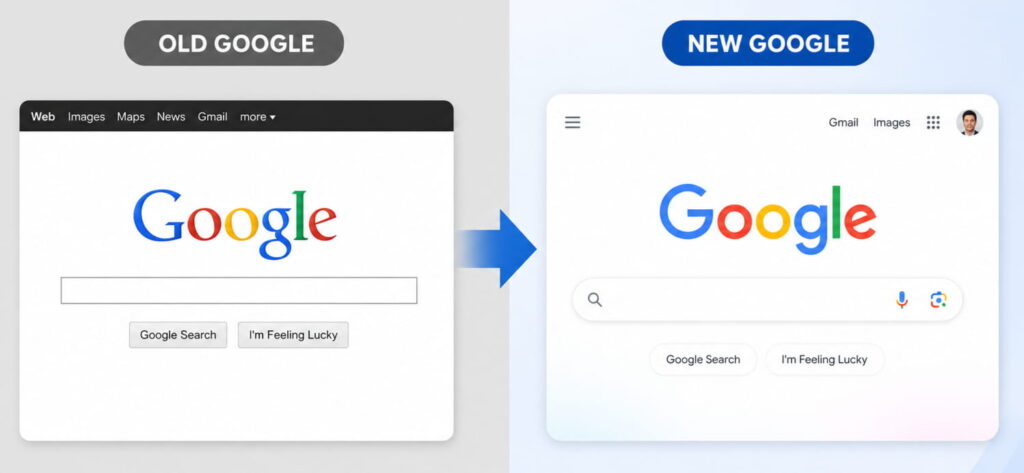
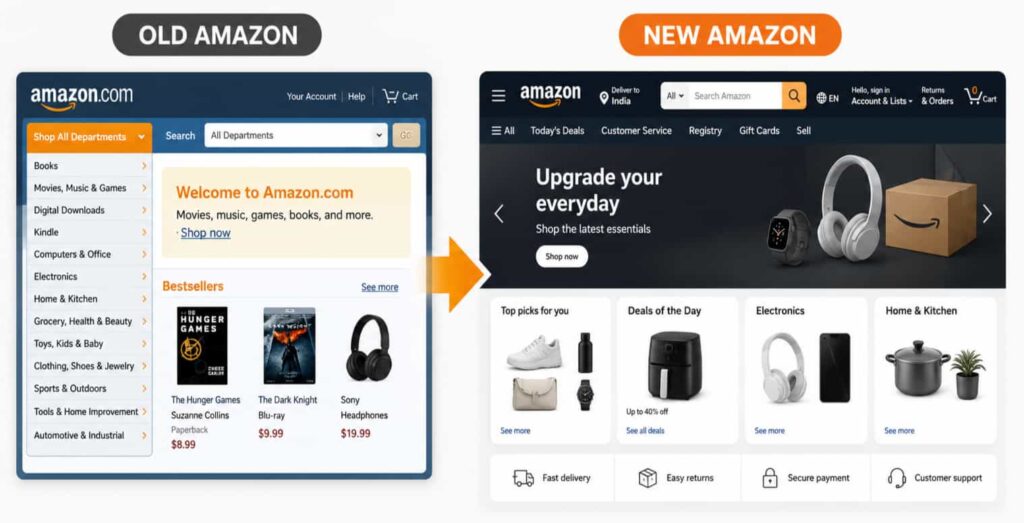
Design trends and user expectations evolve quickly. If your website hasn’t changed in several years, visitors may question whether your business is active or trustworthy. It can lose relevance. Even big companies like Google, Amazon, and Facebook update themselves from time to time. This shows why a website redesign matters.
An outdated design can negatively affect credibility before visitors even read your content.
Look for signs such as:
- Old typography
- Cluttered layouts
- Low-quality images
- Inconsistent branding
- Small buttons and difficult navigation
A modern, clean design helps build confidence from the moment someone lands on your website.
2. Your Website Isn’t Mobile-Friendly
Today, a significant portion of website traffic comes from smartphones and tablets.
If visitors need to zoom in, struggle to tap buttons, or experience broken layouts on mobile devices, they’re likely to leave and visit a competitor instead.
A redesigned website should provide a seamless experience across desktops, tablets, and smartphones.
3. Your Website Loads Too Slowly
Website speed directly affects user experience. Every extra second a visitor waits increases the chance they’ll leave before exploring your products or services. Tools like Google PageSpeed Insights, Google Lighthouse, and WebPageTest help you to check your website speed.
Common causes of slow websites include:
- Large image files (Always upload compressed images)
- Poor hosting
- Unoptimized code
- Excessive plugins
- Outdated website technology
Improving speed is one of the most valuable outcomes of a well-planned redesign.
4. You’re Getting Visitors but Very Few Leads
Traffic alone doesn’t grow a business.
If people visit your website but rarely contact you, request a quote, or make a purchase, your website may not be guiding users toward the next step.
A redesign can improve:
- Call-to-action placement
- Contact forms
- Landing pages
- User flow
- Trust-building elements
The goal isn’t simply to attract visitors; it’s to convert them.
5. Your Branding Has Changed
Businesses evolve.
You may have updated your logo, expanded your services, or refined your brand identity. If your website still reflects your old branding, it creates confusion and weakens your professional image.
Your website should consistently represent who you are today.
6. Your Content Is Difficult to Find
Visitors should be able to locate important information within a few clicks.
If users struggle to find your services, pricing, contact details, or FAQs, your navigation may need improvement.
A redesign often includes reorganizing content to make information easier to discover and understand.
7. Updating Your Website Has Become Difficult
If every small update requires technical assistance, your website may be holding your business back.
Modern websites are designed with flexible content management systems that make it easier to:
- Publish blogs
- Update services
- Change images
- Add new pages
- Manage content without unnecessary complexity
8. Your Website Doesn’t Reflect Your Business Goals
Your website should support your current objectives.
Perhaps you now want to generate more leads, sell products online, book appointments, or build authority through content marketing.
If your website wasn’t designed with these goals in mind, a redesign can help align it with your long-term business strategy.
9. Your Competitors Offer a Better Online Experience
Your competitors are continually improving their websites.
If their websites are faster, easier to navigate, and more engaging than yours, potential customers may naturally choose them instead.
Regularly reviewing competitor websites can help identify opportunities to improve your own user experience.
10. Your Website Is Holding Back Your Growth
Sometimes, the biggest sign isn’t technical; it’s business performance.
If you find yourself saying things like:
- “Our website doesn’t generate enquiries.”
- “Customers struggle to find information.”
- “We’re embarrassed to share our website.”
- “We need a stronger online presence.”
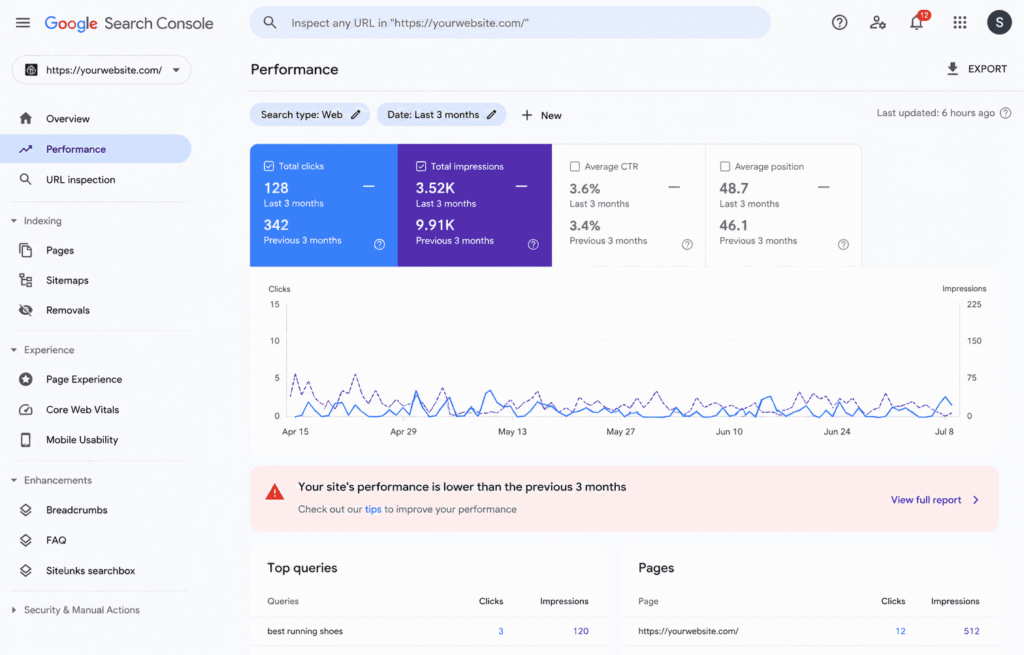
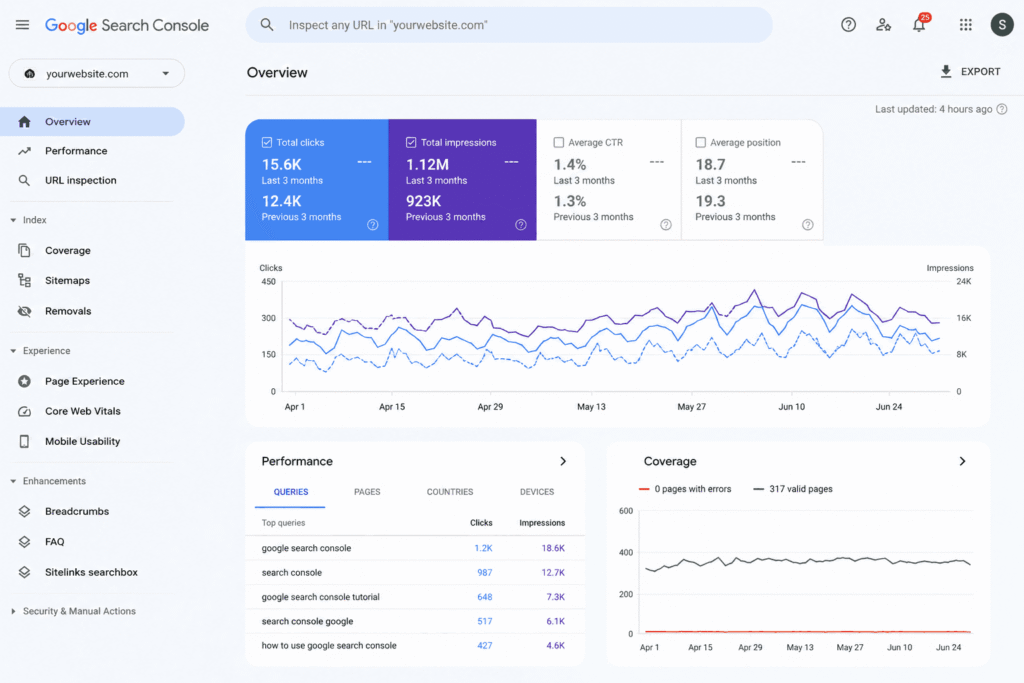
Google Search Console and Google Analytic tool that you should use to check your website performance. If its show somethings wrong, then your website may no longer be supporting your business as effectively as it should.
The Benefits of a Well-Planned Website Redesign
A website redesign or rebuilding is about much more than updating the appearance of your pages.
When planned strategically, it can help your business:
- Create a stronger first impression
- Improve user experience
- Increase engagement
- Generate more enquiries and conversions
- Improve website performance
- Make content easier to manage
- Strengthen your SEO foundation
- Support future business growth
The best redesigns focus on solving business problems, not simply creating a new look.
What Does a Professional Website Redesign Usually Include?
A successful redesign follows a structured approach rather than jumping straight into visual design.
A typical process includes:
Website Audit
Reviewing the current website to identify technical issues, content gaps, and usability problems.
Strategy & Goal Setting
Defining what success looks like, whether it’s increasing enquiries, improving conversions, or enhancing customer experience.
User Experience Planning
Improving navigation, page structure, and customer journeys.
Content Review
Keeping valuable content, updating outdated information, and improving clarity.
Visual Design
Creating a modern, consistent design that reflects your brand identity.
Technical Improvements
Optimizing performance, security, responsiveness, and accessibility. Screaming Frog SEO Spider is the best tool for analysing the technical parts of your website.
Testing & Launch
Checking functionality across devices, browsers, and user scenarios before going live.
Website Redesign Best Practices
Before starting a redesign project, keep these best practices in mind:
- Define clear business objectives.
- Understand your target audience.
- Keep what already performs well.
- Improve—not replace—valuable content.
- Prioritize mobile usability.
- Focus on page speed and performance.
- Maintain a consistent visual identity.
- Test everything before launch.
- Monitor website performance after the redesign.
Strategy, not trends, drives a successful redesign.
A Simple Website Redesign Checklist
Before launching your redesigned website, make sure you’ve completed the essentials:
✔ Review your existing website.
✔ Identify pages that attract the most traffic.
✔ Organize your content.
✔ Improve navigation.
✔ Update branding where necessary.
✔ Optimize images and page speed.
✔ Check mobile responsiveness.
✔ Test contact forms and important features.
✔ Review on-page SEO elements.
✔ Monitor website performance after launch.
This checklist helps reduce common issues and creates a smoother transition to your new website.
Should You Redesign Your Website Yourself or Work with Professionals?
The answer depends on your goals.
If you manage a simple website and only need minor updates, you may be able to handle small improvements yourself.
However, if your website plays a key role in generating leads, supporting sales, or representing your brand, working with experienced professionals can help avoid costly mistakes, especially if you want to rebrand your website. A structured redesign combines user experience, performance optimization, technical improvements, and long-term search visibility into one cohesive strategy.
The right partner won’t simply redesign your website; they’ll help ensure it performs better for your business.
Conclusion
A website redesign shouldn’t be viewed as an expense; it should be seen as an investment in your business’s digital growth.
If your website is slow, difficult to use, outdated, or no longer supports your goals, waiting longer may only increase the gap between your business and your competitors.
By identifying the warning signs early, planning carefully, and focusing on user experience, performance, and long-term value, you can create a website that not only looks modern but also delivers measurable business results.
Remember, the most successful websites aren’t redesigned because they look old; they’re redesigned because businesses have grown, customer expectations have changed, and better opportunities exist to create meaningful online experiences.